
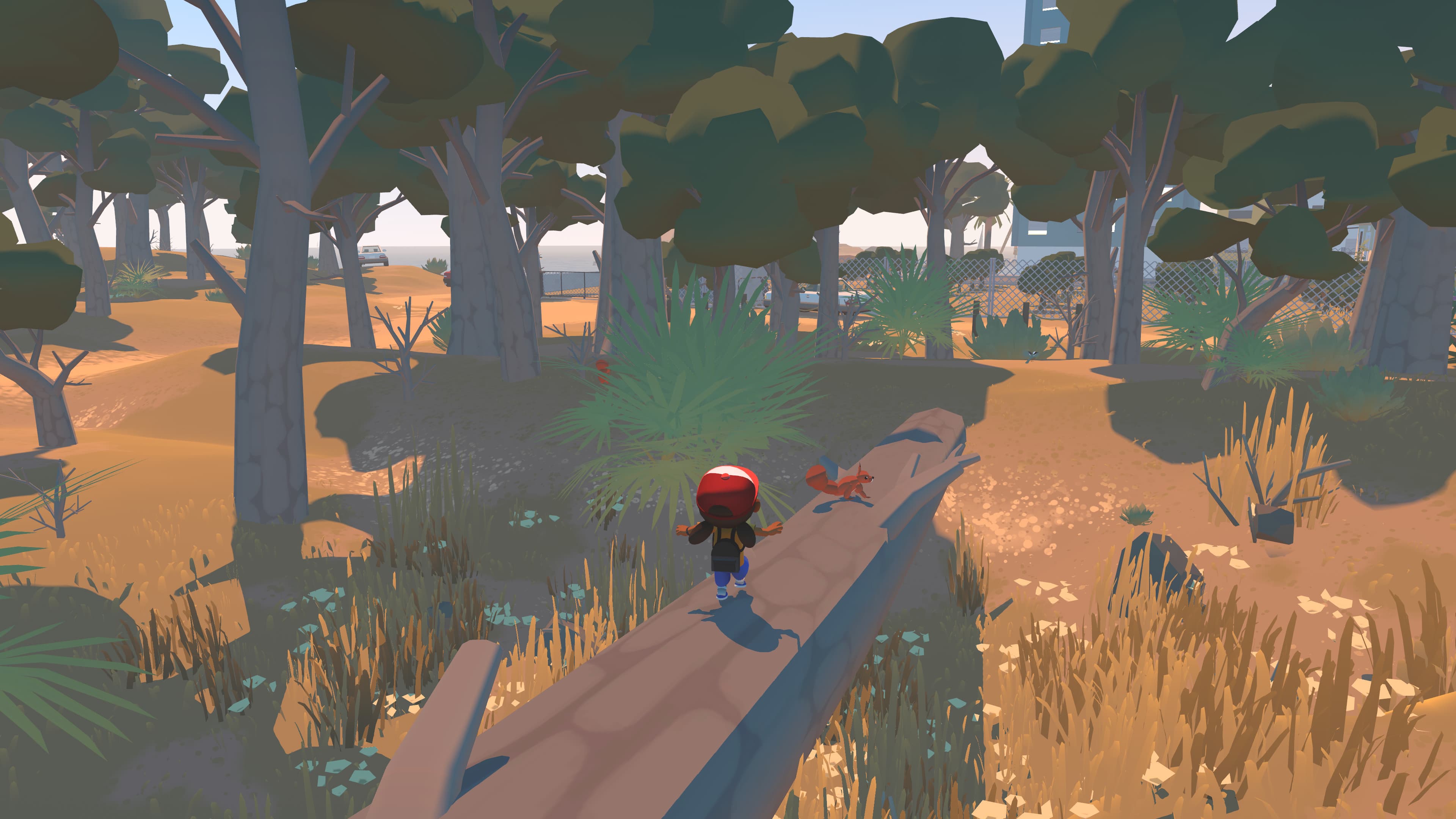
Best Relaxing Games With No Combat (Stress Free Games to Unwind)
The Modern Gaming Landscape and the Need for a Digital Retreat
Modern games can be exhausting.
Massive open worlds, endless objectives, competitive multiplayer, brutal boss fights. Sometimes it feels like every game wants your full attention, your fastest reflexes, and a few hundred hours of your life.
That can be fun. But it can also be tiring.
After a long day of work, news, and real life stress, the last thing many players want is another challenge. Sometimes you just want a game that lets you breathe for a bit.
That is where relaxing games with no combat come in.
These games are built around calm experiences instead of constant pressure. There are no enemies chasing you, no competitive ranks to climb, and no punishing checkpoints waiting to ruin your progress. Instead, the focus is on things like building, exploring, decorating, farming, or simply existing in a beautiful world.
These are the best relaxing games with no combat, the ones that actually deliver a calm, satisfying experience without turning relaxation into another chore.
Best Relaxing Games to Play After Work: The Definitive Guide for 2026
The years 2025 and 2026 mark a significant maturity point for the cozy gaming genre. This comprehensive report provides an exhaustive analysis of the best relaxing games available for the post work recovery period.
PowerWash Simulator and the Motion Sickness Problem
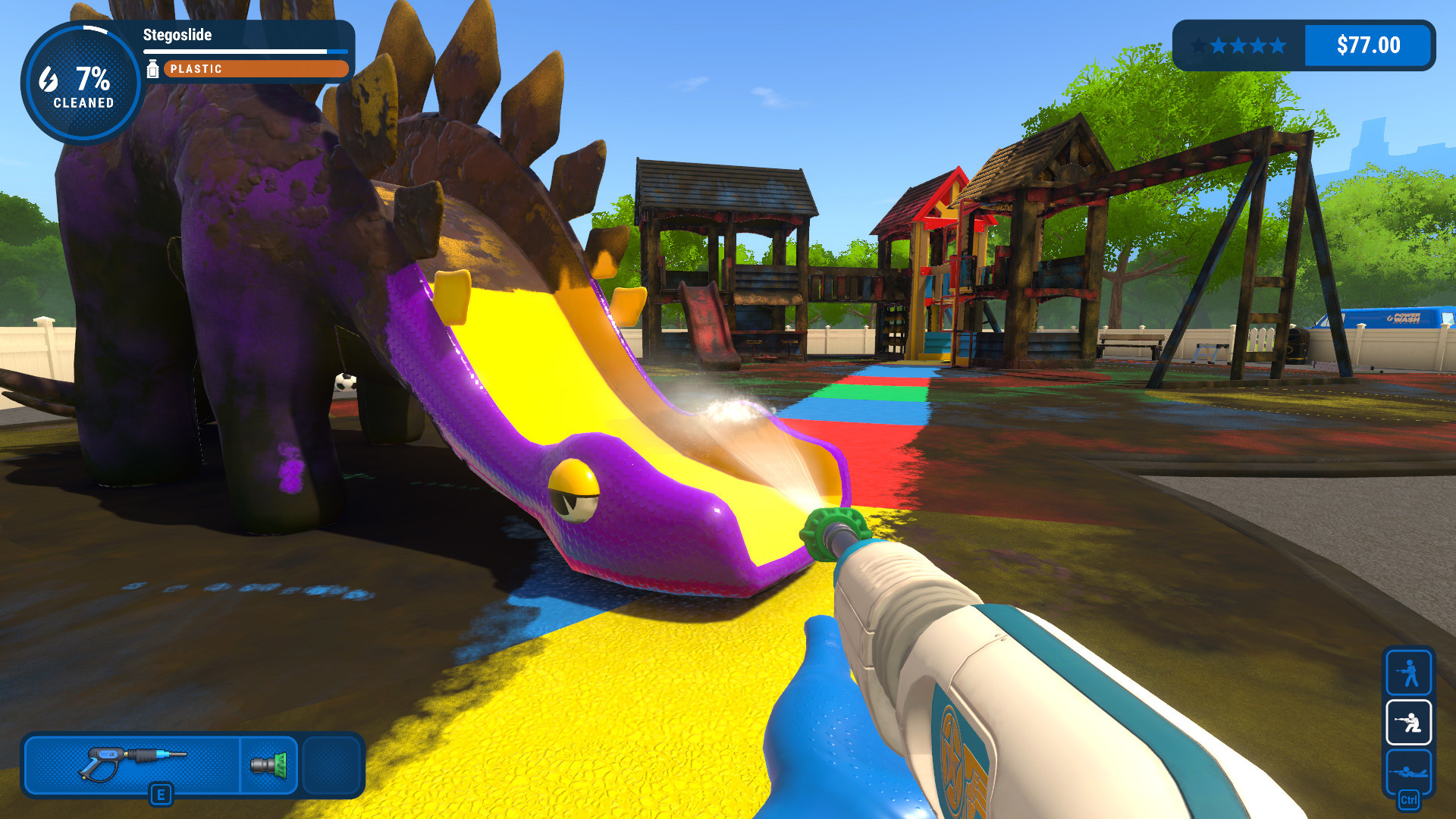
Few games have captured the collective attention of the cozy gaming community quite like the PowerWash Simulator franchise. The premise is entirely self explanatory. You are given a high pressure water hose and tasked with cleaning incredibly filthy environments, ranging from dirty transit vans and backyard playgrounds to entire mansions, and even fictional locations like Lara Croft's manor or the sprawling city of Midgar from Final Fantasy. There are no enemies, no timers ticking down, and no complex economies to manage. You simply point the nozzle, pull the trigger, and watch the grime slowly disappear.
The sound design is absolutely crucial here. The constant, white noise hum of the water acts as an auditory anchor, keeping the player focused and remarkably relaxed. Hearing the sharp, satisfying ding sound when you fully complete a section is pure psychological bliss.
However, this game has a notorious flaw that affects a massive portion of the player base, and we need to address it directly. The constant sweeping motion of the camera required to clean large surfaces frequently induces severe motion sickness and nausea. Because your eyes perceive rapid movement while your body is sitting perfectly still, your brain gets confused, leading to simulation sickness.
Thankfully, the community has discovered a few essential settings you must change immediately to fix this. If you are playing on a PC, you need to open the settings and max out the Field of View slider to 60. You should also cap your frame rate at 60 frames per second and turn your mouse sensitivity way down to around 25. The most important tip, however, is to use the aiming lock. Pressing the C key on your keyboard or pressing the Up button on the Xbox directional pad will lock your screen firmly in place, allowing only the water nozzle to move independently. This completely eliminates the swaying camera movement and makes the game highly enjoyable.
Unpacking and Environmental Storytelling
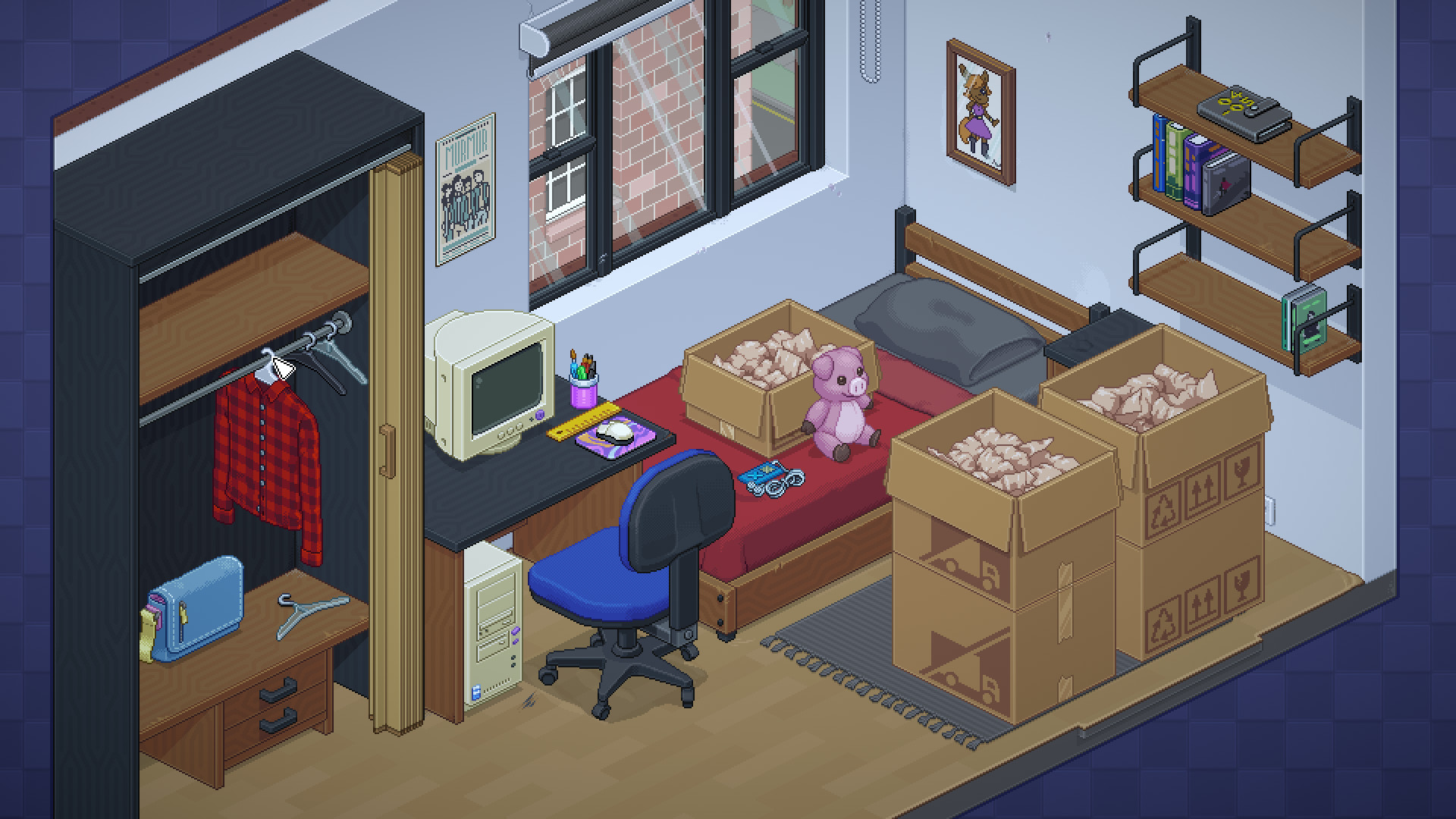
Unpacking is universally praised as a masterclass in environmental storytelling, and it absolutely deserves the hype. You follow the life of a single, unnamed protagonist from her early childhood all the way through adulthood, entirely by unpacking her boxes as she moves into new bedrooms, dorms, and apartments. There is no text, no dialogue, and no traditional exposition. You learn about her hobbies, her career as an artist, and her romantic relationships based entirely on what she brings with her and what gets left behind in the boxes.
The realization that her restrictive, overbearing boyfriend does not leave any physical space for her university diploma to be hung on the wall in his apartment, forcing you to tragically slide it under the bed, is a brilliant and heartbreaking piece of interactive narrative design. You watch her pet beetle pass away, only to be replaced by a portrait she painted of it. You watch her favorite stuffed pig get torn and meticulously patched back together over the years.
While it is widely celebrated as a cozy game, it is important to note that it is not universally relaxing for everyone. Some players find the core mechanic to be highly anxiety inducing. Not knowing what object will come out of the box next, coupled with the pressure of finding the perfectly logical place for it to fit in a cramped room, can trigger feelings of overwhelm and claustrophobia rather than calm. If you enjoy spatial puzzles and subtle narratives, it is a brilliant experience, but those who seek pure freedom might find the strict placement rules somewhat suffocating.
Tiny Glade and the Joy of Procedural Architecture
Tiny Glade is less of a traditional video game and more of a digital, enchanted toy box. You are given a blank canvas of terrain and a minimal set of tools to raise the ground, place walls, and draw winding paths. There is no grid holding you back. When you drag a wall through a forest, the game procedurally generates climbing ivy, windows, and structural supports. If you place a path straight through a solid wall, the game automatically carves out a beautifully arched doorway.
Everything in Tiny Glade is designed to look absolutely perfect no matter what you do. It is a technical masterpiece of procedural generation, calculating complex architectural adjustments in real time on your graphics processor. It has become massively popular on social media platforms for generating incredible cottagecore aesthetic screenshots.
The primary criticism of the game, however, is its extreme lack of goals or objectives. There are no resources to gather, no citizens to please, and no challenges to overcome beyond your own lack of imagination. Some reviewers found this incredibly restrictive and boring, arguing that the game loses its appeal after a few hours once the initial charm wears off. It is absolutely vital to approach Tiny Glade not as a management game, but as a digital art tool to unwind with when a creative mood strikes. If you need a quest log to stay engaged, this game will put you to sleep.
Dorfromantik and the High Score Trap
Dorfromantik is a beautiful, pastoral tile placement game that was so globally successful it spawned an award winning physical board game that won the prestigious Spiel des Jahres. The mechanics are incredibly simple to grasp. You are given a stack of hexagonal tiles featuring forests, rivers, train tracks, and rural houses. Your goal is to place them down, matching the edges to score points and fulfill specific quests, like connecting a certain number of forest tiles together to create a massive woodland area.
On the surface, the gentle acoustic guitar music and the visual satisfaction of building a sprawling rural landscape make it a quintessential relaxing game. However, the core mechanical loop is tied directly to a high score system, which introduces massive anxiety. In the standard game mode, your stack of tiles is strictly limited. If you run out of tiles, the game ends immediately. The only way to get more tiles is to perfectly optimize your placements to complete the quests.
For many players, this strict optimization requirement completely destroys the relaxing atmosphere. The game demands that you think several turns ahead, and a single misplaced river tile can ruin a massive combo, leading to genuine frustration. Players who approach it casually quickly find their game ending prematurely. To alleviate this stress, the developers thankfully included a Creative Mode. In this mode, the player has an infinite stack of tiles and can discard any pieces they do not want to use. For players who want to avoid the stress of a high score chase and simply enjoy the aesthetic pleasure of building a massive landscape, engaging strictly with Creative Mode is highly recommended.
Camper Van Make it Home
Taking the concept of spatial organization and applying it to interior design, Camper Van Make it Home released in June 2025 across PC, Mac, and the Nintendo Switch. The game tasks you with decorating and organizing the interior of a camper van, perfectly blending block organization puzzles with aesthetic interior customization.
The game acts as a gentle journey of self discovery, moving through different vans and expanding your design possibilities as you progress. It taps directly into the modern romanticization of van life, allowing players to build a digital sanctuary on wheels. The Nintendo Switch release was particularly anticipated by the community, as the touch screen and portable nature of the console lend themselves perfectly to dragging and dropping tiny potted plants and woven rugs into a confined, cozy space.
A Short Hike
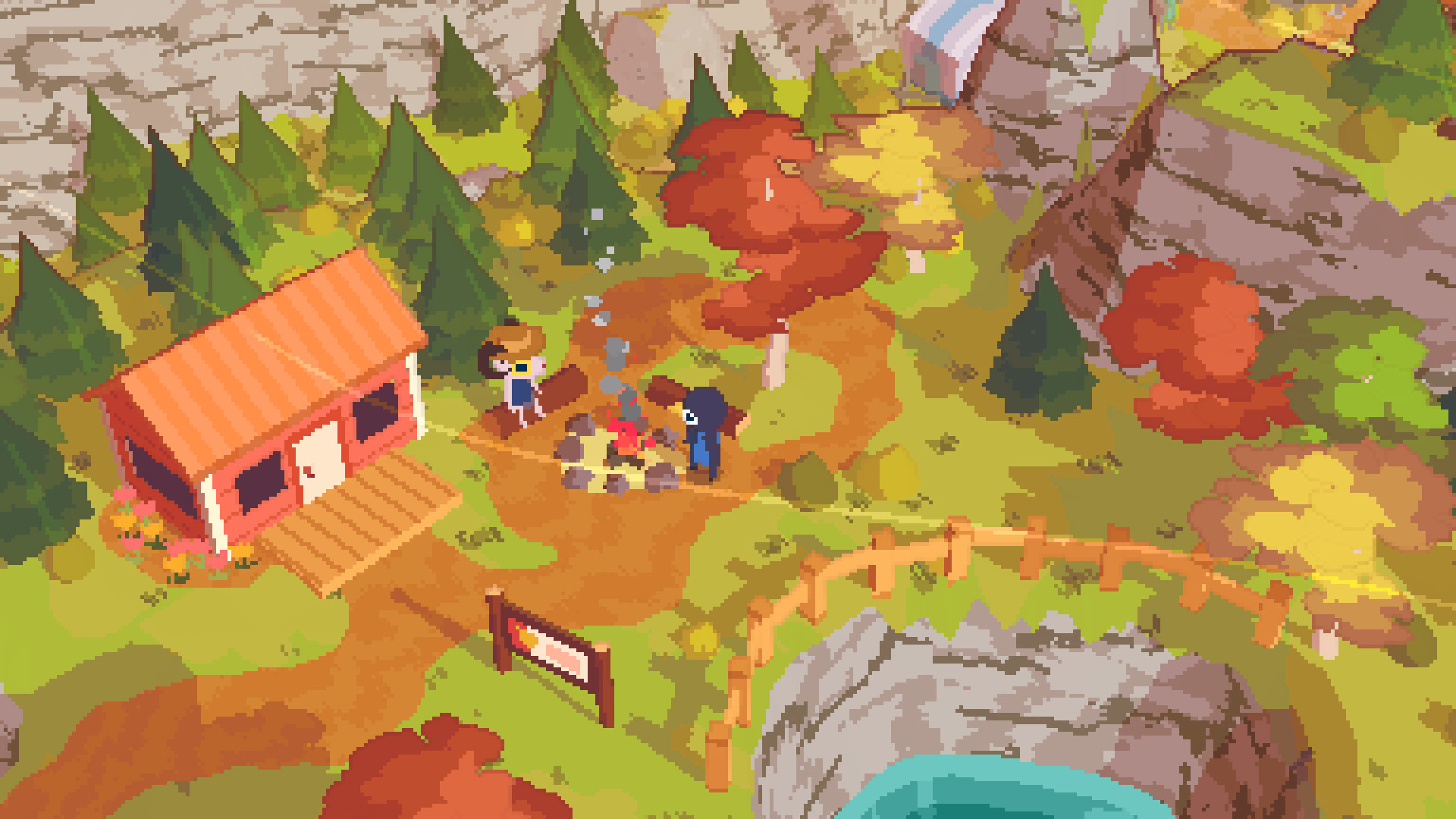
A Short Hike is the absolute gold standard for bite sized indie gaming. You play as Claire, a young bird spending her summer vacation at a beautiful provincial park. The only real objective in the entire game is to hike to the top of Hawk Peak to get cell phone reception. Along the way, you can fish, chat with other hikers, collect shells, and find hidden golden feathers that increase your stamina.
The movement mechanics are an absolute joy to experience. As you collect more feathers, you gain the ability to fly, glide, and dive around the beautifully designed mountain island. The game features a highly unique graphical style that renders the 3D world in chunky, retro pixels, though the developers thoughtfully included a setting in the menu to turn off the pixelation entirely for players who prefer a smooth, high resolution aesthetic.
The entire experience can be completed in about an hour and a half, though hunting down every single secret will push the playtime closer to three or four hours. It absolutely does not overstay its welcome, and it requires zero hard drive management, clocking in at under 700 megabytes. It is the digital equivalent of a weekend camping trip, providing a warm feeling and reminding the player to appreciate the little things in nature.
Alba A Wildlife Adventure
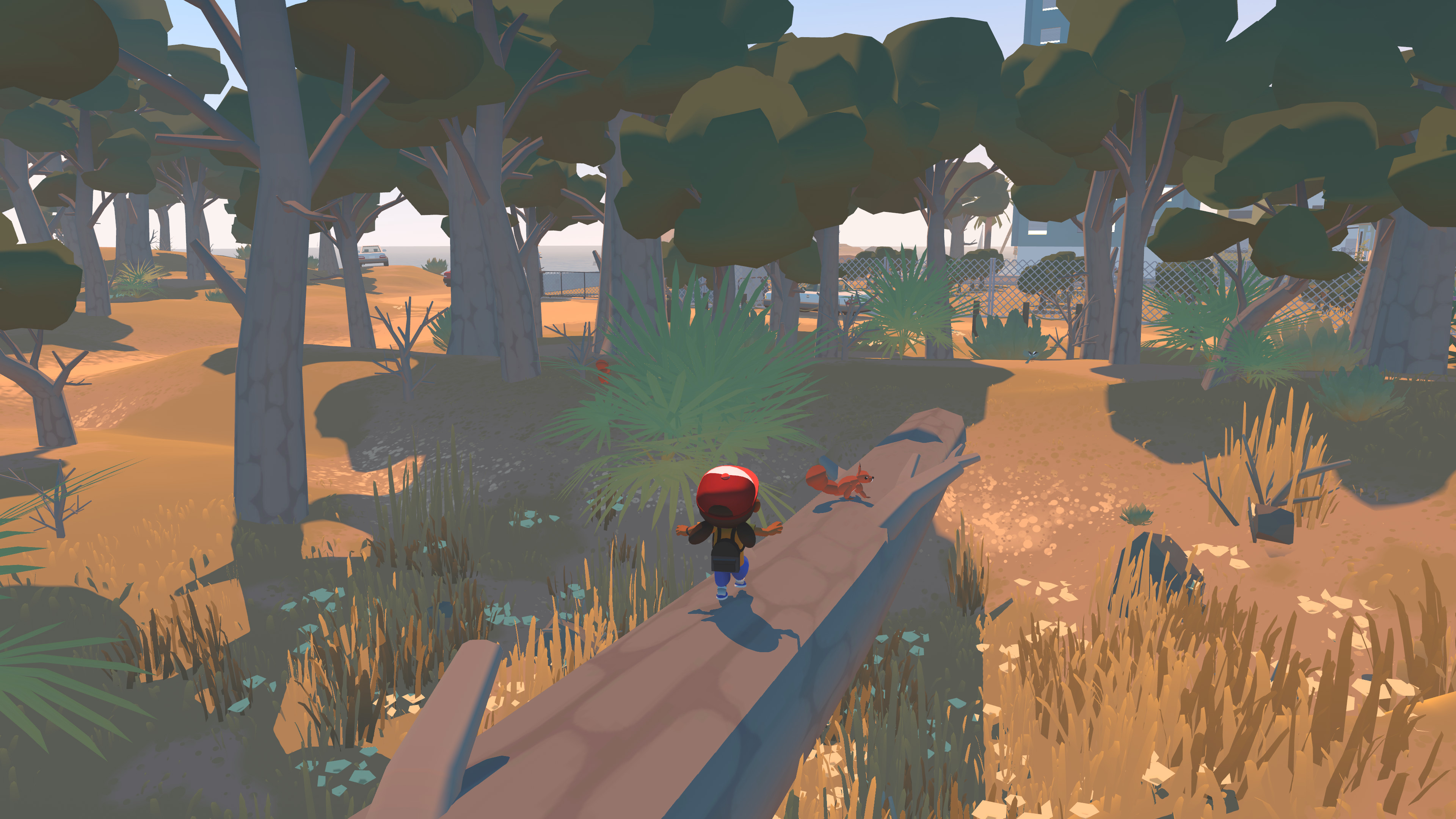
For players looking for a burst of pure, unadulterated sunshine and childlike wonder, Alba A Wildlife Adventure delivers a heartwarming experience. You play as a young girl visiting her grandparents on a beautiful Mediterranean island, only to discover that the corrupt local mayor plans to bulldoze a protected nature reserve to build a massive luxury hotel. Your mission is to gather signatures to stop the construction by taking photographs of the island wildlife, cleaning up trash on the beaches, and repairing broken birdhouses.
The mechanics are incredibly simple and intuitive. You use your in game smartphone to scan and catalog over fifty different animal species. The game also features a charming dialogue system where you physically nod your head yes or no using the mouse or analog stick to answer questions from the locals.
The primary critique of Alba is its movement speed and overall difficulty. The game is undeniably easy and clearly designed with younger audiences in mind. The walking pace can feel agonizingly sluggish for veteran gamers who are used to holding down a sprint button. However, if you are experiencing the winter blues and want to be transported to a warm, sunny island where the biggest threat is a bit of scattered litter, it is a perfectly executed palate cleanser.
Lake and the Mail Truck Life
If you want an experience completely divorced from fantasy elements or heavy emotional trauma, Lake is a brilliant option. You play as Meredith Weiss, a software developer who takes a two week break from her hectic job in 1986 to return to her quiet hometown of Providence Oaks, Oregon, and fill in for her father as the local mail carrier.
The core gameplay involves driving a slow moving mail truck around a beautiful, rustic lake, dropping off packages at front doors, and chatting with the eccentric locals. It sounds incredibly mundane, and it is, but that exact mundanity is what makes it so relaxing. It is a game that gives you the opportunity to catch your breath. You can cultivate romantic relationships or just enjoy the peaceful scenery.
Unfortunately, the technical performance of Lake heavily depends on your chosen platform. While it looks lovely on a high end PC or a current generation console, the Nintendo Switch port has drawn massive, justified criticism. Players report frequent dropped frames, a very choppy presentation, and highly pixelated graphics that make it difficult to see character details. The relaxing vibe of driving through a mountain town is severely undercut when the game stutters constantly. If you have access to a different platform, Lake is highly recommended, but Switch users should approach with extreme caution.
Animal Crossing New Horizons and Community Desperation
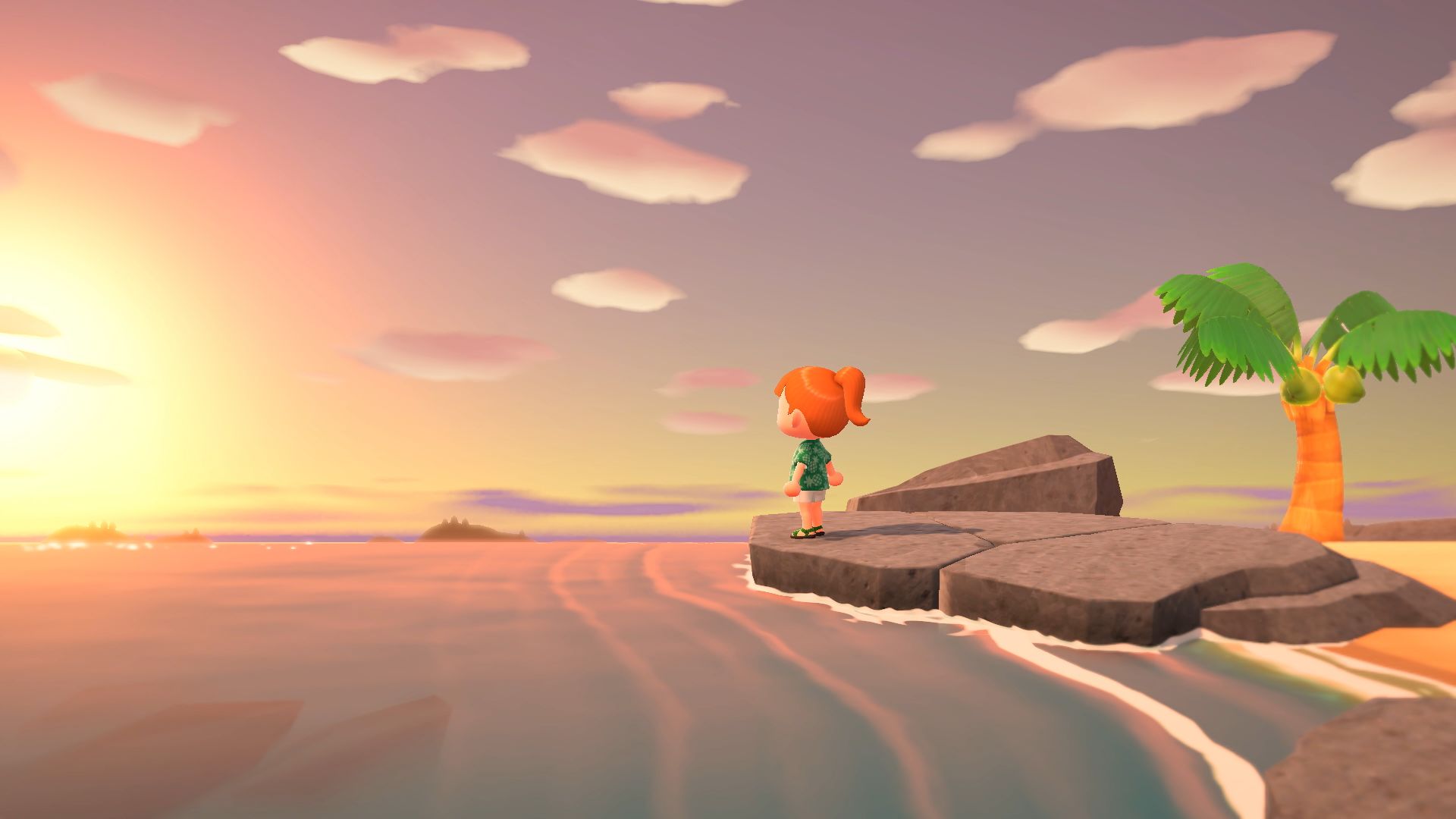
Let us start with the absolute titan of the industry, Animal Crossing New Horizons. If you are reading a gaming blog, you already know how this game completely took over the world in 2020. It became a cultural lifeline for people stuck inside, offering a digital island where you could fish, catch bugs, talk to cute animal villagers, and decorate your home without any real world consequences. The real time clock mechanic, where the sun sets in the game when it sets in real life, forces you to slow down. You cannot rush the experience, which is the ultimate anti burnout feature.
However, the current state of the game in 2026 is a fascinating study in community desperation. The player base is so hungry for new content that they will believe almost anything. Earlier this year, a massive rumor spread across social media claiming that a huge Version 3.0 update was dropping in mid January. The rumors were incredibly detailed. They claimed that Kappn was going to open a resort hotel on the dock, that we were getting Slumber Islands where we could terraform without real time limits, and that there would be official collaborations with Lego and Splatoon.
The hysteria reached such a peak that one mother posted on the Reddit forums about her seven year old daughter who was absolutely devastated. The young girl had tried to use a cheat code by changing her system clock to January 15 to get the update early, only to realize the entire thing was a massive hoax. It was completely fake. While it is incredibly funny in retrospect, it also shows just how much staying power this game has. People are quite literally begging Nintendo for more relaxing content.
Little Kitty Big City and Janky Chaos
Let us talk about a game that is pure, chaotic joy, but also a technical mess. Little Kitty Big City puts you in the paws of a mischievous black cat who has fallen out of an apartment window and needs to find their way back up. It is often compared to Untitled Goose Game because your main objective is essentially to be a public nuisance. You run around a Japanese inspired neighborhood, tripping humans, stealing their cell phones, sleeping in cardboard boxes, and wearing ridiculous hats that you get from capsule machines. There is zero combat, and the world is incredibly vibrant.
However, the physics engine in this game is held together by duct tape and dreams. Players constantly report massive bugs. You will frequently clip through walls, fall entirely out of bounds, and get stuck in geometry. The developers literally had to add an Unstick Me button in the pause menu because getting trapped is such a common occurrence. Furthermore, important quest characters, like the Tanuki, have a habit of completely vanishing from the map, preventing you from finishing the game.
Also, I have to mention the most bizarre audio glitch I have ever experienced. For some reason, the sound effect they used for the cat jumping sounds exactly like a dog barking. When I first played it, I spent twenty minutes spinning my camera around looking for an aggressive dog that did not exist. It drove me crazy. If you can look past the janky controls and the softlocks, it is a very funny game, but you have to know exactly what you are getting into.
Best Cozy Games On Steam: Your Ultimate Guide to Relaxation
Escape the daily grind with our ultimate guide to the best cozy games on Steam. Discover your next peaceful escape, from relaxing farm sims to charming adventures, and find the perfect game to help you unwind.
Honorable Mentions from the Community
To wrap things up, I want to highlight a few extra games that have been heavily praised by the community on Reddit and YouTube recently.
- Stardew Valley remains an absolute titan, and with the creator confirming that a massive 1.7 update is currently in the works, there is never a bad time to start a new farm.
- If you want dinosaurs, Paleo Pines is incredible. Players have noted that taming dinosaurs and building a sanctuary is pure joy.
- Fantasy Life i The Girl Who Steals Time received a massive update recently. While it does have some very light monster encounters, it is overwhelmingly focused on crafting, fishing, and town building, making it a staple for anyone wanting a deep, engaging simulation.
- Dredge is famous for being a terrifying Lovecraftian horror fishing game, but the developers brilliantly added a Passive Mode. In this mode, the giant sea monsters will not attack you. You can simply sail around a beautiful, spooky archipelago, catch mutated fish, and upgrade your boat without any fear of having your hull smashed to pieces.
- Palia is an absolute must play if you want a multiplayer experience. It is a completely free online game where you can farm, mine, and build homes with your friends. There is zero forced combat, and the quest lines are surprisingly decent for a free to play title.
- Story of Seasons Grand Bazaar and Rune Factory Guardians of Azuma are great choices for players looking for deeper town management mechanics alongside their relaxing farming duties.
- Tiny Bookshop will finally see a highly anticipated physical release for the PlayStation 5 and Nintendo Switch on April 10 2026, allowing players to run their seaside book cart on the go.
The gaming landscape is finally realizing that we do not always need explosions to be entertained. Sometimes, we just need a quiet place to organize our thoughts.
Frequently Asked Questions
What officially defines a game as cozy?
While the definition is highly subjective and varies from person to person, the industry generally defines the genre by its core intent. A cozy game prioritizes emotional comfort, relaxation, and low stakes gameplay over high pressure skill checks, violence, or competitive mechanics. They often feature bright or pastel color palettes, ambient soundtracks, and themes centered around community, nature, or organization.
Can a game be considered relaxing if it contains difficult puzzles?
Absolutely. Relaxation is not necessarily the absence of mental engagement. For many players, focusing intensely on a logical puzzle, such as organizing a drawer in A Little to the Left or managing grid numbers in Stitch, acts as a highly effective form of mindfulness. By focusing entirely on a solvable, structured problem, the player can effectively quiet the chaotic, unstructured anxieties of their real life.
Why do some relaxing games cause motion sickness, and how can I fix it?
First person simulation games, particularly cleaning games like PowerWash Simulator, often cause simulation sickness due to a severe disconnect between your eyes and your inner ear. Your eyes perceive rapid, sweeping motion as you clean, but your body remains physically still. To mitigate this, you should immediately check the game settings menu. Increasing the Field of View to maximum, locking the frame rate, lowering the camera sensitivity, and utilizing features that lock the camera in place while allowing the tool to move independently will dramatically reduce nausea.
Are there any good relaxing games that you can play with friends?
Yes. While this list focuses heavily on single player experiences, titles like Palia offer a completely free, massive multiplayer online environment where you can farm, mine, and build homes alongside your friends without any forced combat. Additionally, games like Farm Together allow for drop in cooperative play where the only objective is expanding your agricultural layout in a low pressure environment.
You May Also Like
Best Budget Hall Effect Keyboards in 2026 (Under $50)
Discover the best budget Hall Effect keyboards under fifty dollars in 2026. Read our honest, in depth analysis of performance, build quality, and software features of the top six magnetic switch boards.

Best Gaming Laptops at Every Budget $900 to $3000 for 2026 Guide
Buying a gaming laptop in 2026 is an absolute minefield. We review the six absolute best gaming laptops from Acer, Lenovo, Alienware, ASUS, and MSI spanning budget to enthusiast tiers.
Best PC Games for 8GB RAM in 2026 (Low Spec PCs)
Is 8GB of RAM enough for gaming in 2026? Discover the best PC games that run smoothly on 8GB RAM rigs, from indie masterpieces to optimized AAA titles and competitive shooters.