
Best Relaxing Games to Play After Work: The Definitive Guide for 2026
Navigate this article
The modern professional landscape is characterized by high cognitive load, digital fatigue, and a blurring of boundaries between professional obligations and personal respite. As the workforce navigates the complexities of hybrid work environments and increasing productivity demands, the need for effective psychological recovery strategies has never been more acute. In this context, video games have emerged not merely as a pastime but as a sophisticated tool for stress regulation and mental well being. The years 2025 and 2026 mark a significant maturity point for the "cozy gaming" genre, a category of interactive entertainment defined by low stakes gameplay, pastoral aesthetics, and mechanics designed to induce a state of flow rather than adrenaline.
This comprehensive report provides an exhaustive analysis of the best relaxing games available for the post work recovery period. We draw upon recent psychological research to understand why digital play is uniquely effective at facilitating psychological detachment from work related stressors. Furthermore, we dissect the specific gameplay loops of market leading titles, ranging from the farming simulation of Stardew Valley to the meditative cleaning of PowerWash Simulator, to articulate exactly how they function as digital therapy.
Section 1: The Psychology of Digital Relaxation
To understand the efficacy of gaming as a recovery mechanism, it is necessary to look beyond the surface level aesthetics of pastel colors and lo fi soundtracks. The mechanism of relaxation in gaming is rooted in the interaction between the player's psychological needs and the game's feedback systems.
1.1 The Recovery Experience and Psychological Detachment
Recent studies, including research from University College London, suggest that digital gaming can be more effective than passive media consumption for facilitating recovery from work related stress. The core concept driving this benefit is "psychological detachment." Passive activities such as watching television or scrolling through social media often allow the mind to wander back to the anxieties of the workday. In contrast, gaming requires active cognitive engagement. This engagement forces the brain to switch focus entirely from professional responsibilities to the immediate challenges of the virtual world.
This detachment is most effective when the game provides a sense of "mastery" and "control" without the high stakes pressure typical of competitive multiplayer environments. Games like Dorfromantik or Station to Station offer puzzles that are intellectually stimulating enough to occupy working memory but forgiving enough to prevent frustration. This delicate balance creates a "flow state," a psychological zone where time seems to distort and the player becomes fully immersed in the present moment, effectively severing the cognitive link to the workday's pressures.
1.2 Autonomy, Competence, and Relatedness
Self Determination Theory posits that human motivation and well being are driven by three fundamental needs: autonomy, competence, and relatedness. Relaxing games are often engineered to hyper focus on these elements, providing a counterweight to the often rigid and uncontrollable nature of modern employment.
Autonomy is central to the cozy gaming experience. In titles like Stardew Valley or Roots of Pacha, the player dictates the pace of engagement. There are no arbitrary deadlines that result in a "Game Over" state. A player can choose to spend an entire in game day fishing, decorating their farm, or socializing with non player characters (NPCs). This freedom contrasts sharply with the deadline driven structures of the corporate workplace.
Competence is achieved through clear, tangible feedback loops. In the modern knowledge economy, work projects are often abstract, endless, or lack visible completion points. Conversely, a game like PowerWash Simulator provides immediate, visual confirmation of a job well done. The act of cleaning a dirty van or a backyard patio offers a clear "before and after" progression that triggers a dopamine response associated with task completion and restoring order.
Relatedness is fostered through meaningful interactions with virtual communities. Even in single player experiences, the depth of NPC writing allows players to form emotional connections. The 1.7 update for Stardew Valley, for instance, focuses on making family dynamics and children more interesting, thereby deepening the player's emotional investment in the virtual village. This sense of belonging is a powerful antidote to the isolation often felt in remote work arrangements.
1.3 The "Wholesome" Aesthetic and Physiological Response
The "wholesome games" movement has codified a set of aesthetic and mechanical values that prioritize kindness, empathy, and non violent conflict resolution. Scientific inquiries involving games like Flower have demonstrated that players exhibit significant reductions in physiological markers of stress, such as heart rate and blood pressure, comparable to those achieved through mindfulness meditation. This suggests that for many individuals, particularly those who find traditional meditation difficult due to intrusive thoughts, "cozy gaming" serves as a viable and accessible alternative for emotional regulation.
Section 2: The Titans of Relaxation (Reviews and Analysis)
This section provides an in depth analysis of the defining titles of the genre. We examine their gameplay mechanics, system requirements, and the specific reasons they are essential additions to a post work gaming routine.
2.1 Stardew Valley: The Undisputed King of Farming Sims
Stardew Valley remains the gold standard for relaxing games. Developed by Eric Barone, known professionally as ConcernedApe, it has transcended its origins as a Harvest Moon homage to become a cultural phenomenon.
Gameplay Loop and Stress Relief:
The core loop involves clearing land, planting crops, tending to livestock, and interacting with villagers. The brilliance of Stardew Valley lies in its lack of punishment. If a player misses a harvest or forgets to talk to a neighbor, the game continues without catastrophic failure. This "low stakes" environment allows players to project their own goals onto the game, whether that is maximizing profit through an optimized winery or simply decorating their farmhouse.
The 1.7 Update and Future Outlook: As we look toward 2026, Stardew Valley continues to evolve. The upcoming 1.7 update promises to address long standing community requests. Specifically, the update aims to make in game children "more interesting" and adds new marriage candidates, expanding the social simulation aspect. Barone has adopted a "when it is ready" approach, ensuring quality over speed. This dedication to the player base maintains the game's longevity.
2.2 Dave the Diver: The Hybrid Masterpiece

Dave the Diver, developed by MINTROCKET, captured the gaming world's attention by blending two distinct genres: deep sea exploration and restaurant management.
The Dual Loop: During the day, players explore the "Blue Hole," a mysterious, ever changing body of water filled with exotic fish. The exploration is serene yet engaging, featuring a beautiful 2.5D pixel art style. At night, the game shifts to a sushi restaurant management simulator, where players serve the fish they caught during the day. This cycle creates a satisfying rhythm of "gather and sell" that is incredibly addictive.
Why It Works After Work:
The game compartmentalizes its tasks perfectly. A dive typically lasts between 15 to 20 minutes, fitting easily into a short evening session. The humor and eccentric characters, such as the weaponsmith Duff or the chef Bancho, add a layer of levity that prevents the management aspect from feeling like actual labor.
The accessible system requirements make Dave the Diver an excellent candidate for laptop gaming or the Steam Deck.
2.3 PowerWash Simulator: The Zen of Cleaning

It is ironic that a game about manual labor is one of the most relaxing experiences available, but PowerWash Simulator by FuturLab proves exactly that.
The Satisfaction of Order:
The game's premise is deceptive in its simplicity: use a high pressure water washer to clean various objects and locations, from a dirty van to an entire playground or subway station. The relaxation comes from the visual and auditory feedback. The sound of the water and the immediate removal of grime triggers a dopamine response related to "tidying up" and restoring order to a chaotic environment.
Cognitive Load:
PowerWash Simulator requires almost zero high level cognitive function. This makes it the perfect "podcast game," a title one can play while listening to an audiobook, podcast, or music. It occupies the hands and eyes but leaves the mind free to wander or decompress.
2.4 Dorfromantik: Strategy Without Stress
Developed by Toukana Interactive, Dorfromantik is a building strategy and puzzle game that eschews combat and resource management for tile placement mechanics.
Strategic Serenity: Players place hexagonal tiles containing different landscape elements, such as forests, villages, rivers, and train tracks, to grow a map. Points are awarded for matching edges perfectly. The game ends when the player runs out of tiles. The "Creative Mode" removes even this limitation, allowing for infinite, pressure free building.
Visuals and Audio: The art style is soft and painterly, resembling a high quality board game coming to life. The soundtrack is gentle and unobtrusive. Dorfromantik creates a "just one more tile" loop that is engrossing but rarely frustrating. It is an ideal game for players who want to engage their logical brain without the pressure of a timer.
2.5 Spiritfarer: A Cozy Game About Dying

Thunder Lotus Games created something unique with Spiritfarer: a management game about death. You play as Stella, a ferrymaster to the deceased, who must build a boat to explore the world and care for spirit friends until they are ready to cross over into the afterlife.
Emotional Catharsis:
While "relaxing" might seem like the wrong word for a game about grief, Spiritfarer handles its themes with such warmth and gentleness that it becomes a comforting experience. The gameplay involves farming, fishing, cooking, and crafting, similar to Stardew Valley, but the end goal is emotional closure rather than financial gain.
The "Hug" Mechanic: One of the game's dedicated buttons is simply for hugging the spirits. This mechanic exemplifies the game's focus on empathy and care. For players dealing with real world loss or stress, Spiritfarer offers a safe space to process complex emotions.
Section 3: The New Wave (2025 and 2026 Releases)
The cozy gaming market is expanding rapidly, with developers iterating on established formulas to create new experiences. This section highlights the newest and most anticipated titles for the 2025 and 2026 release windows.
3.1 Fields of Mistria
Fields of Mistria has emerged as a strong contender in the farm sim genre. It draws heavy inspiration from 90s anime aesthetics, specifically Sailor Moon and Cardcaptor Sakura, combined with modern quality of life features.
Key Features:
- Magic System: Unlike Stardew Valley, magic is integrated into farming and daily life to speed up tasks.
- Dynamic Dialogue: NPCs have more varied interactions, reducing the repetitive feel of older sims.
- System Specs: Requires Windows 10, 6 GB RAM, and a GTX 460 or equivalent.
Analysis: Fields of Mistria targets the player who grew up with Harvest Moon but wants the mechanical depth of Stardew Valley. Its distinct visual style sets it apart in a crowded market.
3.2 Roots of Pacha

Roots of Pacha takes the farming sim back to the Stone Age. There is no money in this pre historic world; instead, the community thrives on "contribution points."
Innovation in the Genre: The focus on technological discovery, such as inventing irrigation or domesticating animals, gives the game a unique progression curve. It emphasizes community cooperation over individual capitalist accumulation. Multiplayer is a core component, allowing friends to build a village together from scratch.
3.3 Spirit City: Lofi Sessions

This title blursthe line between a game and a productivity tool. Players customize an avatar and a virtual room, then use in game tools like a Pomodoro timer, to do list, and habit tracker while listening to curated lo fi hip hop.
The "Idle" Appeal: Spirit City is designed to run on a second monitor while the player works. However, the "play" comes from collecting spirits that appear based on the player's activities and room settings. It gamifies the act of focusing, making it a unique recommendation for remote workers.
3.4 Tiny Bookshop

Scheduled for a wider release in the 2025/2026 window, Tiny Bookshop allows players to run a mobile second hand bookstore by the sea.
Atmosphere: The game focuses on curation and narrative. Players stock books, set up shop in different scenic locations, and get to know the locals. It is a "low text" management game that prioritizes atmosphere over complex economics.
Section 4: Narrative and Artistic Journeys
Sometimes relaxation comes not from doing, but from experiencing. These games are shorter, narrative driven, and visually spectacular.
4.1 Gris

Gris is a platformer where the protagonist navigates a world representing her own grief. The game starts in monochrome and slowly gains color as the player progresses.
Art as Therapy: There is no death and no danger in Gris. The puzzles are simple, designed to facilitate flow rather than challenge. The watercolor art style is arguably the most beautiful in the medium. It is a 3 to 4 hour experience that functions as an interactive poem.
4.2 A Short Hike
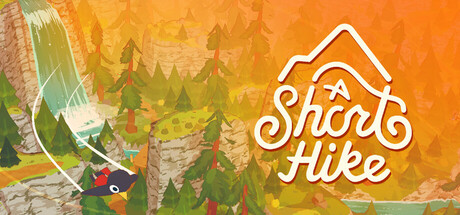
In A Short Hike, you play as a bird named Claire who is visiting her aunt at a provincial park. The only goal is to hike to the top of the mountain to get cell phone reception.
Dense Exploration: The map is small but incredibly dense. You can fish, race, play "stickball," or just fly around. The game respects the player's time; it can be finished in an hour or stretched to five. It captures the specific feeling of a lazy summer afternoon.
4.3 Journey
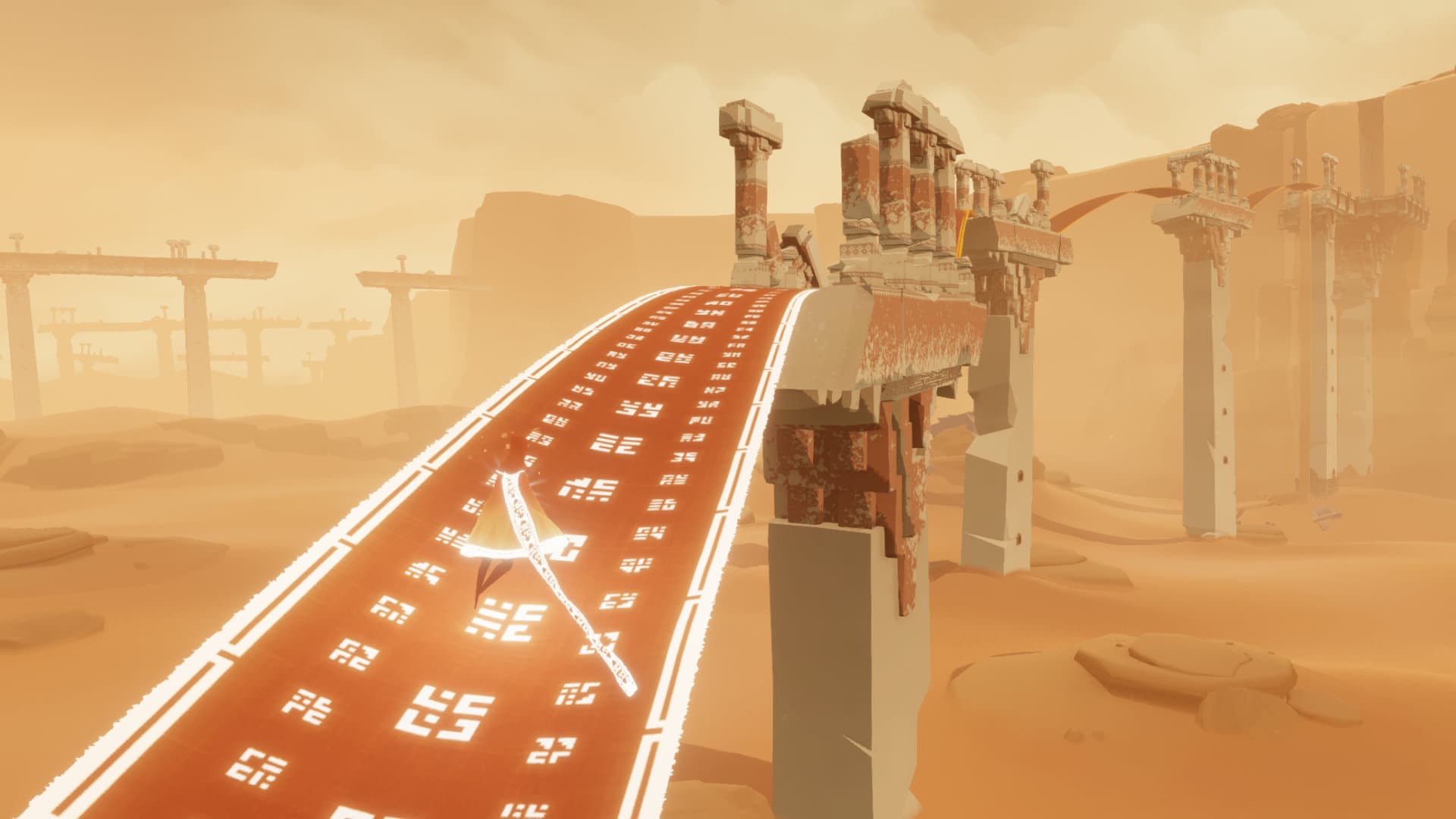
Even over a decade after its release, Journey remains a pinnacle of relaxing gaming. The anonymous multiplayer component, where you can travel with a stranger without speaking, creates a unique bond. The game's sweeping sand dunes and orchestral score induce a state of awe that is rare in gaming.
Best Relaxing Games With No Combat (Stress Free Games to Unwind)
Discover the best relaxing games with no combat that actually deliver a calm, satisfying experience without turning relaxation into another chore.
Read article →Final Thoughts
The "relaxing game" genre is no longer a niche; it is a pillar of the industry. As the world becomes faster and louder, the value of slow, quiet, digital spaces increases. For the developer, the player, and the content creator, this is a golden age of cozy gaming. The key to navigating it is authenticity by finding the games that truly respect the player's time and mental state.
Whether you are tending to your virtual crops in Stardew Valley, washing away the grime in PowerWash Simulator, or simply listening to the rain in Spirit City, the goal is the same: to find a moment of peace in a chaotic world.
Frequently Asked Questions (FAQ)
Q: Do I need a powerful PC to play these relaxing games?
A: Generally, no. Most cozy games like Stardew Valley, Among Us, or Dorfromantik are optimized for lower end hardware. A standard laptop with integrated graphics (like Intel HD 630) can run many of these titles. However, newer 3D titles like Planet Crafter or heavily modded Minecraft might require a dedicated graphics card. Always check the "Minimum System Requirements" on the Steam store page before purchasing.
Q: Are these games suitable for children?
A: Yes, the vast majority of games in the "cozy" genre are rated E for Everyone. Games like A Short Hike, Alba: A Wildlife Adventure, and PowerWash Simulator are completely family friendly. Stardew Valley has some mild themes, such as alcohol use at the saloon, but is generally considered safe for older children.
Q: Can I play relaxing games with friends?
A: Absolutely. Multiplayer is a growing feature in the cozy genre. Stardew Valley, Roots of Pacha, Minecraft, and Animal Crossing: New Horizons all offer excellent cooperative modes where you can build and explore together. Station to Station is primarily single player, but screensharing puzzles in Discord is a popular way to play "together".
Q: What is the best console for relaxing games?
A: The Nintendo Switch, and the anticipated Switch 2, is widely considered the home of cozy gaming due to its library, including Animal Crossing, Pokemon, and Zelda, and its handheld form factor. However, the Steam Deck has become a powerful competitor, offering access to the massive Steam library of indie titles that may not be on Switch yet.
Q: Do relaxing games actually help with anxiety?
A: Research suggests they do. Studies have shown that "casual video games" can reduce cortisol levels and improve mood. The combination of "flow," aesthetic pleasure, and low stakes autonomy provides a safe environment for the brain to decompress from real world stressors.
You May Also Like

Best Gaming Laptops for College Students Under $1000 in 2026
Buying a gaming laptop for college is different from buying one purely for gaming. A college laptop needs to handle lectures, assignments, research, video calls, and productivity software during the day while still delivering solid gaming performance at night.

Best Games on Steam to Play While Working From Home
Best games on Steam to play while working from home, from cozy builders to smart card games that fit short breaks, easy pauses, and low stress sessions.
Best Budget Hall Effect Keyboards in 2026 (Under $50)
Discover the best budget Hall Effect keyboards under fifty dollars in 2026. Read our honest, in depth analysis of performance, build quality, and software features of the top six magnetic switch boards.